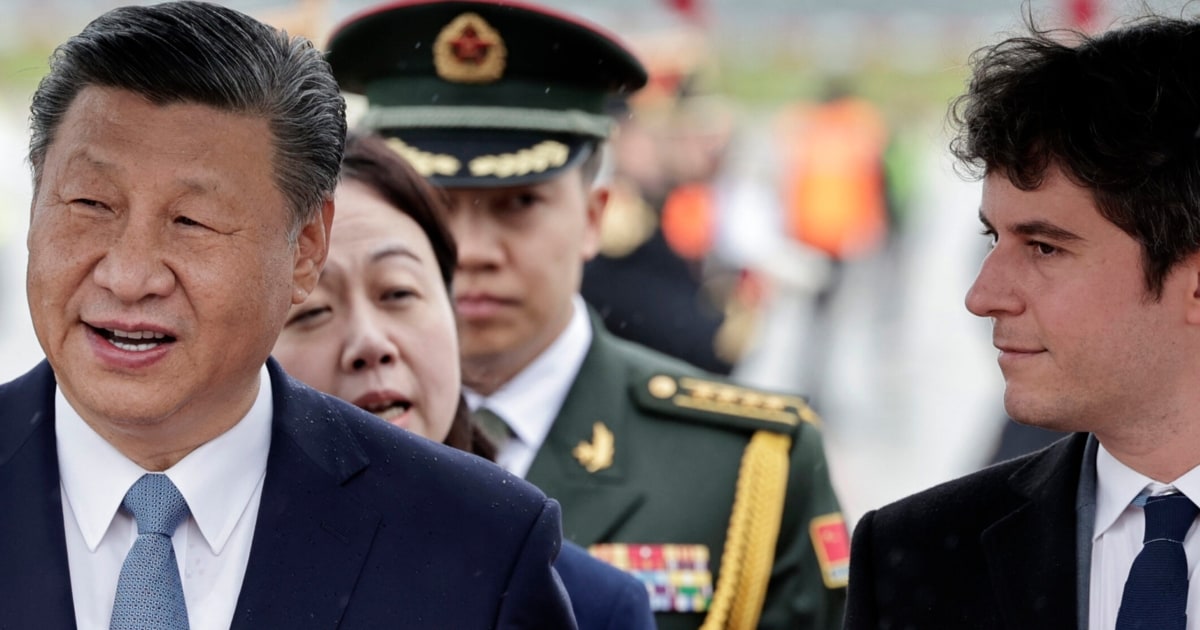
High-stakes diplomatic encounters between global leaders often capture the world's attention, none more so than the pivotal meetings involving China's President Xi Jinping. These xi staatschefs treffen, or meetings between heads of state, frequently serve as critical junctures for addressing pressing international issues, from trade disputes to geopolitical stability. The anticipation surrounding such summits can send ripples through global markets and shape the course of international relations for years to come. This article delves into specific instances of these high-profile engagements, examining the context, expectations, and the underlying complexities that define modern diplomacy.
The Crucible of Diplomacy: Unpacking the Xi Staatschefs Treffen Amidst Trade Tensions
In an era marked by shifting global power dynamics, the direct engagement between the leaders of the world's largest economies becomes paramount. One such significant xi staatschefs treffen that garnered immense global scrutiny was the anticipated meeting between then-US President Donald Trump and Chinese President Xi Jinping. The atmosphere leading up to their planned discussions was charged with tension, primarily due to an escalating trade and tariff war that had gripped the international community. The stakes were incredibly high, with economists and policymakers worldwide holding their breath for any sign of a breakthrough.
The trade war, characterized by tit-for-tat tariffs imposed on billions of dollars worth of goods, had created considerable uncertainty for businesses, disrupted supply chains, and threatened to slow global economic growth. In this environment, the mere prospect of a face-to-face dialogue between Trump and Xi, as the US President himself stated he "looked forward very much" to, offered a glimmer of hope. It signaled a potential willingness from both sides to seek common ground and de-escalate a conflict that was proving costly for all involved. Such high-level summits are not merely ceremonial; they are the arenas where the future of international commerce and cooperation is often negotiated, sometimes painstakingly, behind closed doors.
Anticipation vs. Reality: The Hope for Breakthroughs
The expectation for a "breakthrough" in the ongoing trade and tariff dispute during these xi staatschefs treffen was palpable. President Trump had repeatedly expressed confidence in his ability to forge a deal with China, fueling optimism among some that direct engagement could cut through bureaucratic red tape and lead to swift resolutions. The notion was that a personal rapport, or at least a candid exchange, between the two most powerful leaders could unlock solutions that lower-level negotiations had failed to achieve. This was not an isolated incident; leaders often leverage their personal diplomacy to navigate complex international challenges.
The planned meeting in Busan, South Korea, was particularly significant as it would have been their first direct interaction since 2019, when Trump, during his first term as US President, met Xi Jinping on the sidelines of the G20 Summit in Osaka, Japan. These moments are more than just photo opportunities; they are carefully orchestrated events designed to send specific messages to global markets, domestic audiences, and geopolitical rivals. Understanding the rhetoric leading up to such meetings – whether expressions of optimism or veiled threats – can offer insights into the negotiating positions and priorities of the involved parties. For businesses and investors, these signals are crucial indicators of potential policy shifts.
When Summits Shift: The Dynamics of Postponement in High-Stakes Xi Staatschefs Treffen
While the anticipation for xi staatschefs treffen can be intense, the reality of international diplomacy often means that schedules are fluid and subject to change based on evolving geopolitical landscapes. A striking example of this occurred when President Trump announced a postponement of a keenly awaited meeting with President Xi Jinping. Initially slated for a specific timeframe, the summit was pushed back by approximately five to six weeks, a decision that, according to Trump, had the agreement of Beijing.
The reasons cited for such postponements can be as varied as they are complex, often reflecting a mixture of practical considerations and strategic maneuvering. Trump himself offered multiple explanations. At one point, he linked the delay to the ongoing conflict with Iran, stating, "I would very gladly come, but because of the war I want to be here," implying the need to remain in Washington during a period of heightened regional tension. Separately, in an interview with the "Financial Times," he tied the postponement to a desire for Beijing's support in securing the Strait of Hormuz, emphasizing that he "would like to know beforehand." This layered communication highlights how geopolitical events in one region can ripple across the globe, impacting unrelated diplomatic schedules and demanding strategic responses.
Geopolitical Chess: Unraveling the Reasons Behind Delays
The conflicting narratives surrounding the postponement illustrate the intricate dance of international politics. While President Trump pointed to pressing national security concerns and strategic asks, his Treasury Secretary, Scott Bessent, presented a different picture. Bessent suggested that any delay would be due to "logistical reasons" and indicated that foreign travel might "not be optimal" given the prevailing circumstances. This divergence in explanations offers a valuable lesson in interpreting diplomatic communications: often, stated reasons are part of a broader political message, carefully crafted to serve specific agendas. Whether the true reason was logistics, the Iran conflict, a demand for support in the Strait of Hormuz, or a combination thereof, the outcome was a shift in the diplomatic calendar.
Such delays in xi staatschefs treffen are not merely inconvenient; they can have tangible impacts. They can affect market confidence, prolong uncertainty, and potentially alter the negotiating positions of the involved parties. From a practical standpoint, organizing a meeting between two heads of state involves immense logistical challenges, including security, travel arrangements, and ensuring sufficient time for substantive discussions. Geopolitical crises, such as heightened tensions in the Middle East, can indeed make such large-scale logistical operations riskier or less feasible. Understanding these underlying factors provides crucial context for anyone following international affairs or conducting business across borders. For a deeper dive into previous high-level engagements, consider exploring xi staatschefs treffen - Article 1 and xi staatschefs treffen - Article 2.
The Enduring Significance of Direct Engagement: What Xi Staatschefs Treffen Achieve
Despite the occasional postponements and the inherent complexities, the significance of direct xi staatschefs treffen cannot be overstated. These summits are more than just opportunities for negotiation; they are platforms for building or mending relationships, signaling intent, and often setting the tone for future diplomatic and economic interactions. The mere act of two leaders meeting, regardless of immediate breakthroughs, signifies a commitment to dialogue over confrontation, a crucial element in maintaining global stability.
The personal chemistry, or lack thereof, between leaders can profoundly influence the effectiveness of diplomatic efforts. While policy issues are paramount, the ability of leaders to communicate directly, understand nuances, and gauge each other's resolve can be invaluable. These meetings allow for complex discussions that cannot be fully conveyed through intermediaries or written correspondence. They enable leaders to tackle highly sensitive topics, from trade imbalances and technological competition to human rights and regional security challenges, with a directness and authority that is unmatched by other diplomatic channels. For businesses and international organizations, understanding the outcomes and underlying dynamics of these leader-level discussions is crucial for strategic planning and risk assessment. The enduring value lies in their capacity to shape global narratives, resolve disputes, and forge paths for future cooperation.
Lessons from High-Level Dialogues
The events surrounding the proposed and actual meetings between President Xi and other global leaders offer several critical insights into modern international relations:
- The Power of Personal Diplomacy: Direct leader-to-leader engagement remains a potent tool for overcoming stalemates and building trust, even in the most contentious relationships.
- Interconnectedness of Global Issues: Geopolitical events, trade policies, and internal political considerations are deeply intertwined, influencing each other in complex ways.
- Strategic Communication: The public statements and official narratives surrounding these meetings are carefully crafted and often serve multiple strategic purposes.
- Adaptability is Key: Diplomatic schedules and outcomes are never guaranteed, requiring flexibility and resilience from all parties involved.
In conclusion, the various instances of xi staatschefs treffen underscore the enduring importance of high-level diplomatic engagement in an increasingly interconnected and volatile world. Whether they proceed as planned or are subject to strategic postponements, these meetings between President Xi Jinping and other heads of state are critical barometers of global health. They represent a complex blend of hope for breakthroughs, intricate strategic maneuvering, and the constant search for common ground amidst diverse national interests. Their outcomes, or even their delays, provide invaluable insights into the ever-evolving tapestry of international relations, profoundly impacting everything from global trade to peace and security.