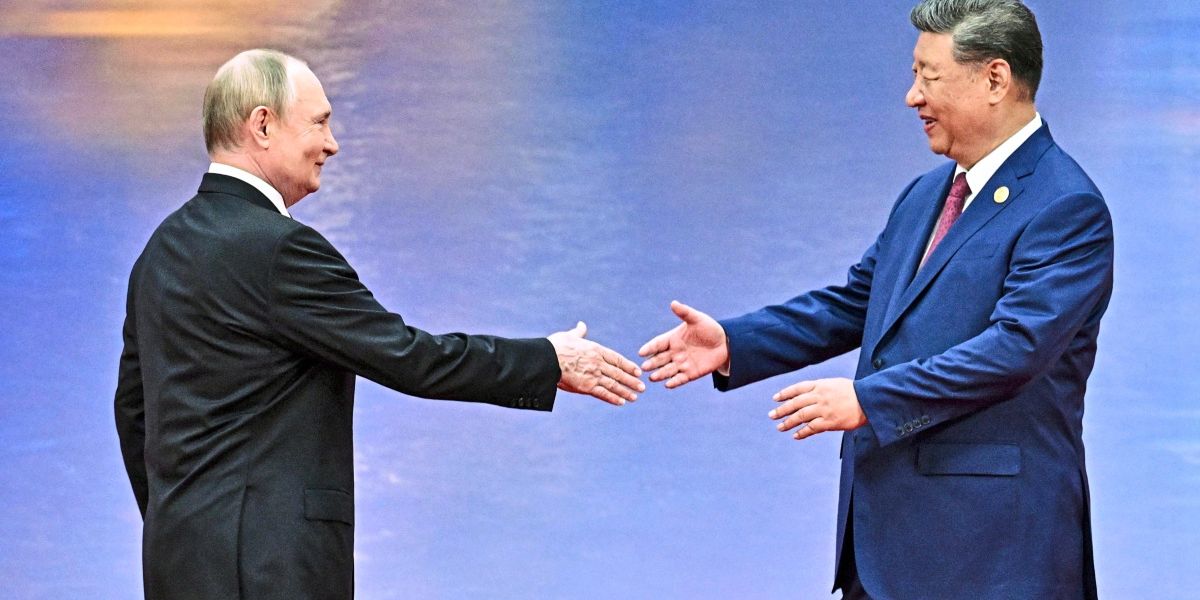
The High Stakes of Global Diplomacy: Unpacking Xi Staatschefs Treffen
In the intricate dance of international relations, meetings between heads of state represent pivotal moments, capable of reshaping economic landscapes and diplomatic alliances. Among these, the xi staatschefs treffen – the gatherings involving China's President Xi Jinping with other world leaders – consistently draw intense global scrutiny. These encounters are not merely ceremonial; they are strategic negotiations laden with economic implications, geopolitical tensions, and the potential for significant breakthroughs or, conversely, exacerbations of existing disputes. This article delves into the dynamics surrounding specific high-profile meetings involving President Xi, particularly focusing on the crucial interactions with former US President Donald Trump, set against a backdrop of trade wars and shifting global priorities.
Anticipation and the Battleground of Trade: When Giants Converge
The lead-up to any significant xi staatschefs treffen is often charged with anticipation, a testament to China's formidable role in the global arena. This was particularly evident during the period of intense trade friction between the United States and China. US President Donald Trump, known for his direct communication style, frequently expressed his eagerness for direct talks with President Xi Jinping. Moments before one such anticipated meeting in Busan, South Korea, Trump publicly affirmed his excitement, stating he "very much looks forward" to the encounter. Such declarations, often made on platforms like Truth Social, underscore the personal dimension that leaders bring to global diplomacy, even when national interests are at stake.
These bilateral meetings, especially between the leaders of the world's two largest economies, carry immense weight. At stake were not just national pride but hundreds of billions of dollars in trade, impacting industries from agriculture to technology across the globe. The ongoing trade and tariff war had created a climate of uncertainty, compelling businesses and investors worldwide to keenly monitor every development. The hope was always for a "breakthrough," a term frequently invoked by Trump, suggesting a belief that direct negotiation could untangle even the most complex economic disputes. This period highlighted that a successful xi staatschefs treffen could alleviate global economic anxieties, while a failed one could deepen them.
Navigating the Trade War: Hopes for a Breakthrough Amidst Tariffs
The core issue driving many of these high-level interactions was the escalating trade and tariff dispute between the US and China. Both nations had imposed punitive tariffs on vast swathes of each other's goods, leading to disrupted supply chains, increased costs for consumers, and significant pressure on domestic industries. The strategic importance of a high-level xi staatschefs treffen in this context cannot be overstated. Each meeting, whether at a global summit or a dedicated bilateral session, offered a glimmer of hope for de-escalation or, ideally, a comprehensive trade deal. For more background on these pivotal trade discussions, you might find xi staatschefs treffen - Article 1 insightful.
Trump had repeatedly voiced his confidence in reaching a deal with China, painting these meetings as crucial opportunities to negotiate directly with his Chinese counterpart. A notable precedent for such direct engagement occurred in 2019, when Trump, during his first term as US President, met Xi Jinping at the G20 Summit in Osaka, Japan. These summit-level discussions provided a vital platform for leaders to engage face-to-face, often away from the immediate glare of detailed policy negotiations, allowing for broader strategic alignment or disagreement. While the specific outcomes of such meetings are often subject to interpretation, their very occurrence signals a commitment, however tenuous, to finding common ground.
Practical Tip for Businesses: In an era of increasing geopolitical uncertainty, businesses engaged in international trade, particularly with China or the US, should actively monitor the rhetoric and outcomes of such high-level meetings. Look beyond immediate headlines for subtle shifts in diplomatic language, joint statements, and especially any specific commitments or timelines mentioned. These can be crucial indicators of future policy direction and potential market impacts.
The Unpredictability of Geopolitics: Delays and Strategic Maneuvering
While the anticipation for a xi staatschefs treffen can be high, the realities of global geopolitics often introduce unpredictable twists. Plans for high-level meetings can shift, sometimes with little notice, due to a myriad of factors. Such was the case when President Trump initially postponed a planned meeting with President Xi, stating it would occur in "about five to six weeks" rather than the originally scheduled two. This postponement, reportedly made with Peking's consent, highlighted the fluid nature of top-tier diplomacy.
The reasons cited for such delays can be complex and sometimes contradictory. Trump himself offered multiple explanations: a desire to remain in Washington due to escalating tensions with Iran, specifically stating, "because of the war, I want to be here." He also linked the delay to a strategic demand for China's support in securing the Strait of Hormuz, remarking, "We would like to know it beforehand." This illustrates how seemingly unrelated geopolitical events can directly impact planned bilateral meetings, pulling leaders' attention and resources towards immediate crises.
However, the narrative was not singular. US Treasury Secretary Scott Bessent presented a different perspective, suggesting that any postponement would be due to "logistical reasons" and that overseas travel might "possibly not be optimal" given the prevailing circumstances. This divergence in explanations underscores the challenges in interpreting official statements and the multi-layered considerations that go into scheduling and executing a high-level xi staatschefs treffen. It also reveals the strategic messaging that often accompanies diplomatic moves, where public reasons may differ from underlying tactical considerations. For further context on similar diplomatic shifts, refer to xi staatschefs treffen - Article 3.
Beyond the Headlines: The Enduring Significance of Xi Staatschefs Treffen
Ultimately, a xi staatschefs treffen—whether it proceeds as planned, is postponed, or results in a dramatic breakthrough—always carries profound significance. These meetings are more than just photo opportunities; they are crucial platforms for direct communication, negotiation, and relationship building between leaders who hold immense sway over global affairs. While the reference context highlights specific instances involving Donald Trump, it's essential to remember that President Xi Jinping's engagements with other world leaders, from European counterparts to leaders in Asia and Africa, consistently shape international policy and economic trajectories.
The continuity of high-level diplomacy is paramount. Even when specific meetings are delayed or yield limited immediate results, the ongoing dialogue, the personal rapport (or lack thereof), and the strategic signals exchanged contribute to the broader tapestry of international relations. These interactions often set the tone for future collaborations, define competitive boundaries, and occasionally lay the groundwork for unexpected resolutions to long-standing disputes. The ability of leaders to meet, converse, and find areas of mutual interest or manage intractable differences directly influences global stability and economic prosperity.
Insight into Geopolitical Strategy: The varying reasons cited for meeting postponements reveal the complex interplay of domestic politics, international crises, and strategic leverage. Leaders often weigh the optics of a meeting against immediate national security concerns or use the prospect of a meeting as a bargaining chip for other objectives. Understanding this multi-faceted decision-making process is key to deciphering the true intent behind diplomatic actions.
In conclusion, the xi staatschefs treffen represents a constant focal point in the global diplomatic calendar. Whether driven by trade disputes, geopolitical crises, or the pursuit of strategic alliances, these meetings between President Xi Jinping and his international counterparts are critical junctures. They underscore the dynamic nature of global power, the continuous need for diplomatic engagement, and the profound impact that leaders' personal interactions can have on the trajectory of nations and the world economy. As global challenges evolve, the importance of these high-level interactions will only continue to grow, making their analysis an ongoing and essential endeavor for anyone tracking international affairs.